Posts

Showing posts from June, 2025

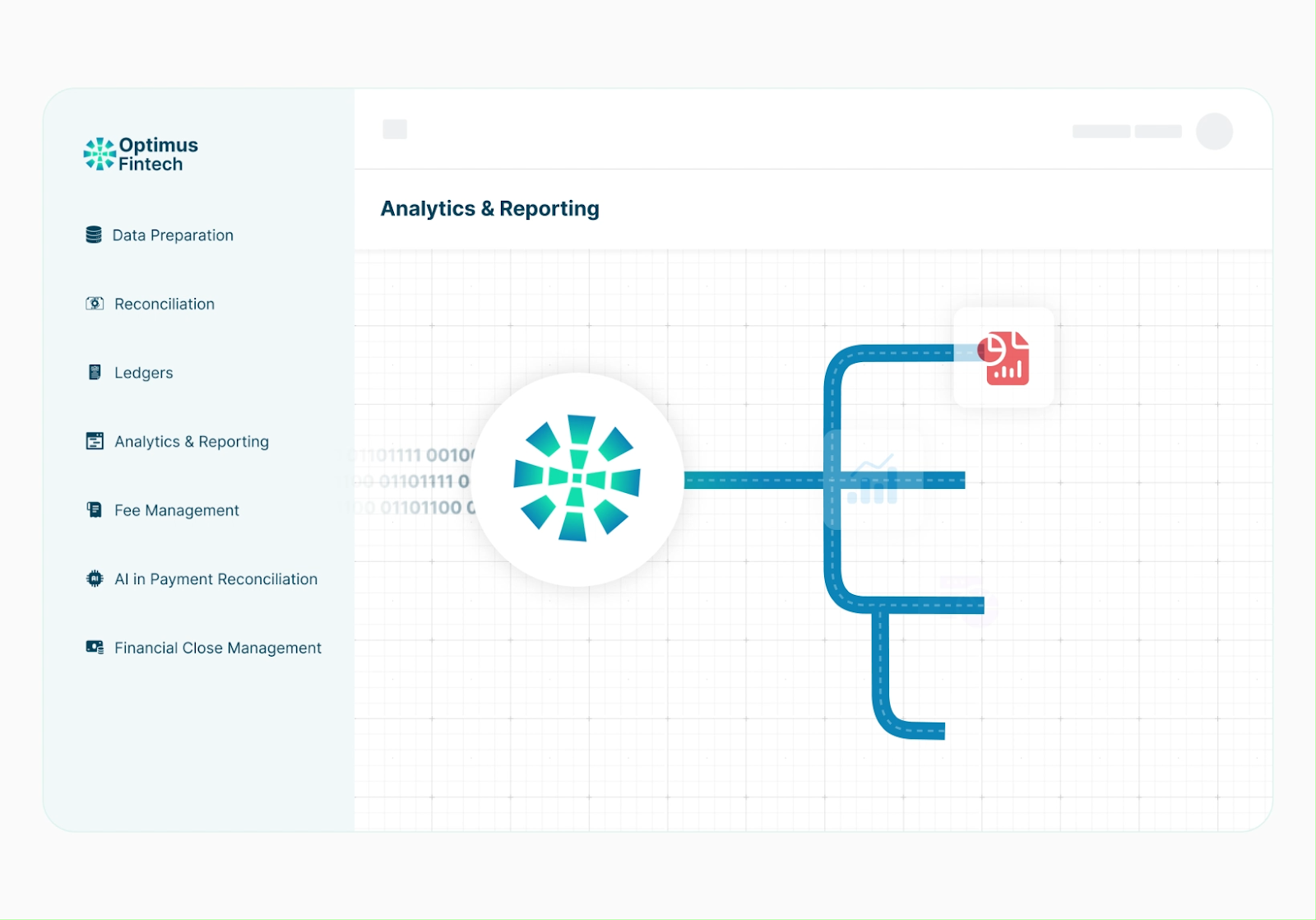
The Power of Analytics in the Payment Industry: From Insights to Action
Image
In an increasingly digital economy, the payment industry stands at the crossroads of technology, finance, and consumer behavior. With billions of transactions occurring every day, businesses have access to a treasure trove of data—but raw data alone is not enough. Analytics in the payment industry is what transforms this data into actionable intelligence, allowing companies to optimize operations, enhance customer experiences, and drive growth. Why Analytics Matters in the Payment Industry The payment ecosystem—comprising banks, fintechs, merchants, and payment processors—is complex and fast-moving. Without robust payment industry insights , businesses risk falling behind competitors or making costly errors. Key reasons why analytics is crucial: Operational Efficiency : Identify bottlenecks and streamline transaction flows. Fraud Detection : Spot anomalies and suspicious patterns in real-time. Customer Behavior Analysis : Understand spending habits and preferences. Revenue Optimizatio...

Why Finance Reconciliation Is Holding You Back—and How Software Can Fix It

In today’s fast-evolving financial landscape, finance reconciliation plays an indispensable role in ensuring accuracy, transparency, and regulatory compliance. As businesses grow and transaction volumes multiply, the need for streamlined reconciliation becomes even more critical. At Optimus Fintech, we deeply understand the day-to-day struggles finance teams face—working across disconnected platforms, balancing real-time reporting needs, and managing increasing data complexity. Despite the rapid development of customer-facing financial technologies, the reconciliation process behind the scenes remains heavily dependent on manual effort, leading to errors, delays, and inefficiencies. This widening gap between front-end innovation and back-end operations underscores the urgent need for smarter, automated reconciliation solutions. The top seven financial reconciliation issues that businesses encounter are examined in this article, along with how implementing financial reconciliation soft...

The Evolution of Fee Management in Finance

Fee management in finance has transitioned from manual processes to automated fee management systems, improving accuracy, efficiency, and compliance. Traditional methods often resulted in errors, delays, and regulatory risks. Today, fee management software powered by AI and cloud technology enables real-time tracking, seamless integration, and improved financial transparency. As businesses in the USA face increasing regulatory complexities, adopting automated fee management solutions ensures compliance while optimizing revenue streams. Companies leveraging   cloud-based fee management systems   reduce manual workloads, enhance decision-making, and streamline financial operations. The rise of automation represents a significant advancement in financial management, driving efficiency and accuracy in fee processing. Key Sub-Topics in Fee Management Fundamentals of Fee Management: Concepts and Best Practices Technology-Driven Fee Management: Automation and AI Integration Regulator...

How Payment Reconciliation Software Enhances Accuracy with AI Technology

In today’s complex financial environment, effective payment reconciliation is essential for companies striving to maintain accurate and transparent records. At Optimus Fintech, we recognize that as organizations grow, both the volume and complexity of payments increase significantly. Despite impressive progress in customer-facing payment technologies, finance teams often face challenges in gaining clear financial insights due to fragmented data spread across Payment Service Providers, Accounting software, ERPs, Banks, and databases. This makes advanced payment reconciliation solutions a necessity for modern businesses. There are numerous important advantages when payment reconciliation software and AI reconciliation are combined.  Improved Accuracy: AI-driven systems catch inconsistencies and anomalies that traditional rule-based methods might miss. Faster Reconciliation Cycles: Automation allows businesses to close their books more quickly, providing timely insights into cash ...