Posts

The Role of AI in Automating Payment Reconciliation for Fintech Companies

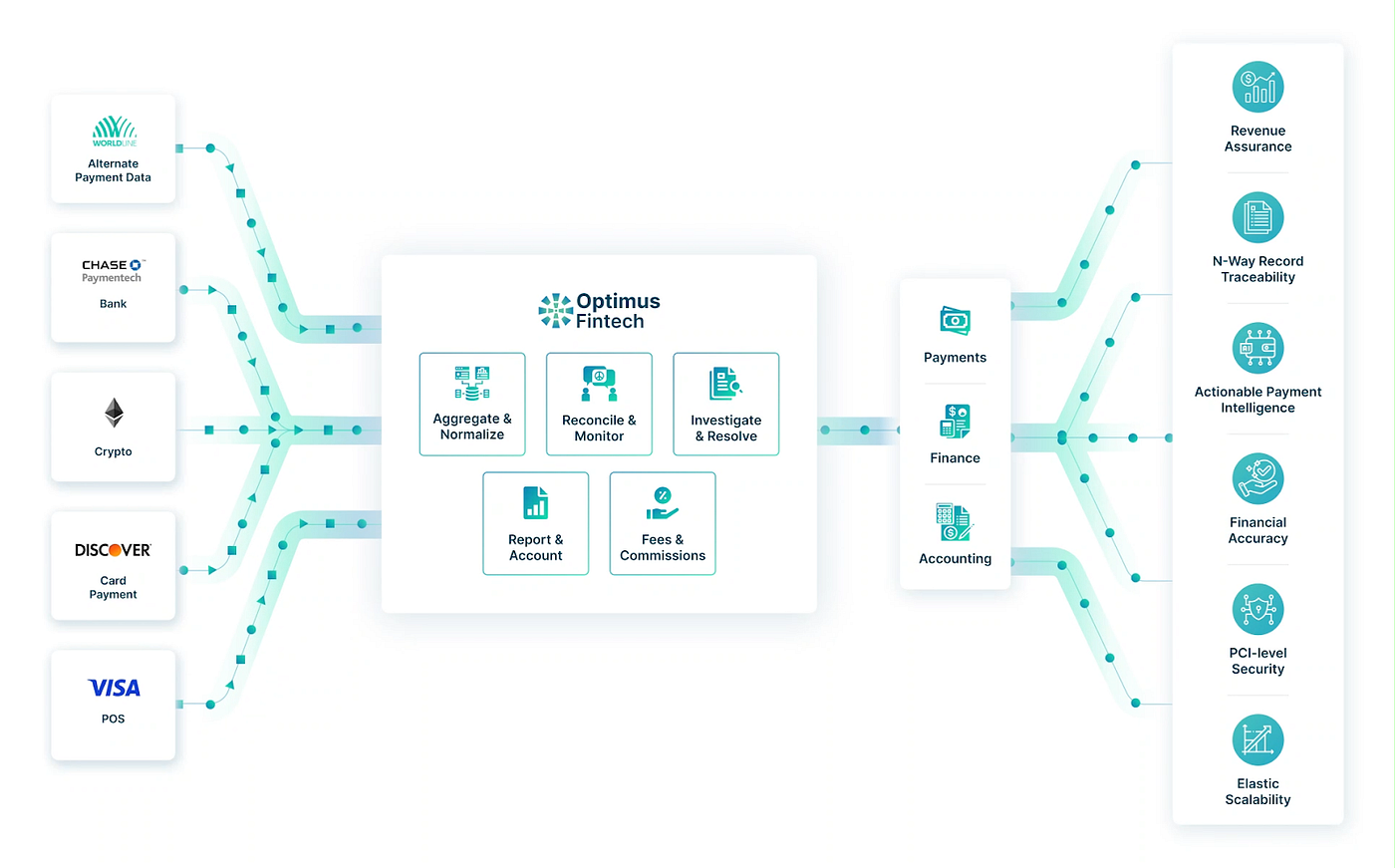
The financial technology (fintech) sector is experiencing rapid growth, driven by innovations in digital payments, online banking, and financial services. As transactions increase in complexity and volume, fintech companies face a growing challenge: ensuring accurate and efficient payment reconciliation. Payment reconciliation , the process of matching financial records with bank statements or transaction data, is a critical task for maintaining financial accuracy and transparency. Traditionally, this process has been time-consuming and prone to errors when handled manually. However, with the rise of Artificial Intelligence (AI), fintech companies can now automate payment reconciliation, bringing greater efficiency, accuracy, and scalability to their financial operations. Understanding the Challenges of Traditional Payment Reconciliation Before diving into how AI transforms the reconciliation process, it’s important to understand the challenges posed by traditional methods: Manual Effo...
Payment Reconciliation Best Practices for Startups and SMEs

Payment reconciliation is critical for startups and SMEs to maintain financial accuracy, ensure cash flow, and improve operational efficiency. Implementing best practices early can prevent financial discrepancies and streamline operations as the business scales. Here are the top payment reconciliation best practices for startups and SMEs: 1. Automate the Reconciliation Process Manually reconciling payments can be time-consuming and prone to errors, especially as transaction volumes grow. Automating the reconciliation process with cloud-based software ensures that payments are accurately matched with internal records in real time, saving time and reducing human errors. Automated systems can quickly flag discrepancies, improving financial accuracy. 2. Reconcile Payments Daily To avoid backlogs and discrepancies, it's crucial for startups and SMEs to reconcile payments daily. Daily reconciliation ensures that any mismatches or failed transactions are quickly identified and resolved, m...

How Payment Reconciliation Supports the Growth of Subscription-Based Business Models

Image
The subscription-based business model has seen tremendous growth in recent years, revolutionizing industries from streaming services to e-commerce and software. Companies offering these services rely heavily on a steady stream of recurring payments, making payment management a core function of their business operations. One crucial aspect of maintaining this model is effective payment reconciliation, which ensures accurate financial tracking, improved customer satisfaction, and sustained business growth. The Importance of Payment Reconciliation in Subscription Models Payment reconciliation refers to the process of comparing financial records from internal systems (such as invoices or sales records) with external records (such as bank statements or payment processor data) to ensure that all transactions are accurately recorded. For subscription-based businesses, where revenue relies on recurring payments, keeping a tight grip on financial accuracy is paramount. Here’s how payment recon...

Payment Reconciliation in Fintech: Navigating Complex Transactions

In the fast-evolving world of fintech, where digital payments, real-time transactions, and multi-currency platforms are becoming the norm, businesses face increasing challenges in managing their financial records. Payment reconciliation is a critical process in ensuring financial accuracy and operational efficiency. As fintech companies deal with large volumes of transactions from various sources, the complexity of reconciliation has grown significantly. This article explores how payment reconciliation in fintech is evolving, the complexities involved, and how businesses can navigate this landscape effectively. What is Payment Reconciliation in Fintech? Payment reconciliation is the process of matching internal financial records (sales, expenses, and other transactions) with external data from banks, payment processors, or other third-party systems. It ensures that all financial transactions are correctly recorded and discrepancies are identified and resolved. In fintech, this process...

Payment Reconciliation and Digital Wallets: Managing the New Payment Landscape

As digital wallets gain traction in the global economy, businesses and consumers are adapting to this evolving payment ecosystem. The convenience of digital wallets has revolutionized payment processes, but it has also introduced new challenges, particularly in payment reconciliation . Ensuring that all transactions from digital wallets are accurately recorded, verified, and reconciled has become essential for businesses to maintain financial integrity. This article explores how to manage payment reconciliation in the digital wallet landscape and highlights best practices for ensuring accuracy and efficiency. The Rise of Digital Wallets in Modern Transactions Digital wallets, such as Google Pay, Apple Pay, and PayPal, offer consumers a fast, secure, and seamless way to make payments. With the increasing shift to cashless transactions, businesses must adapt to integrating these payment methods into their financial systems. The complexity of managing multiple payment methods—including cr...